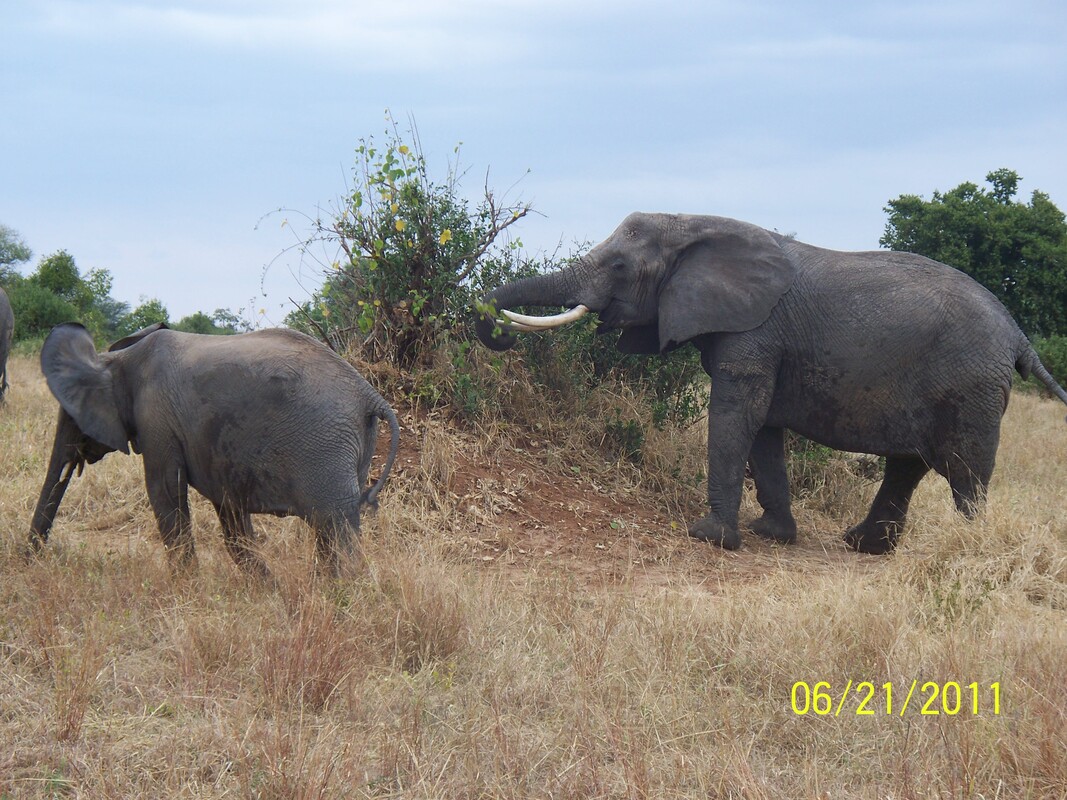
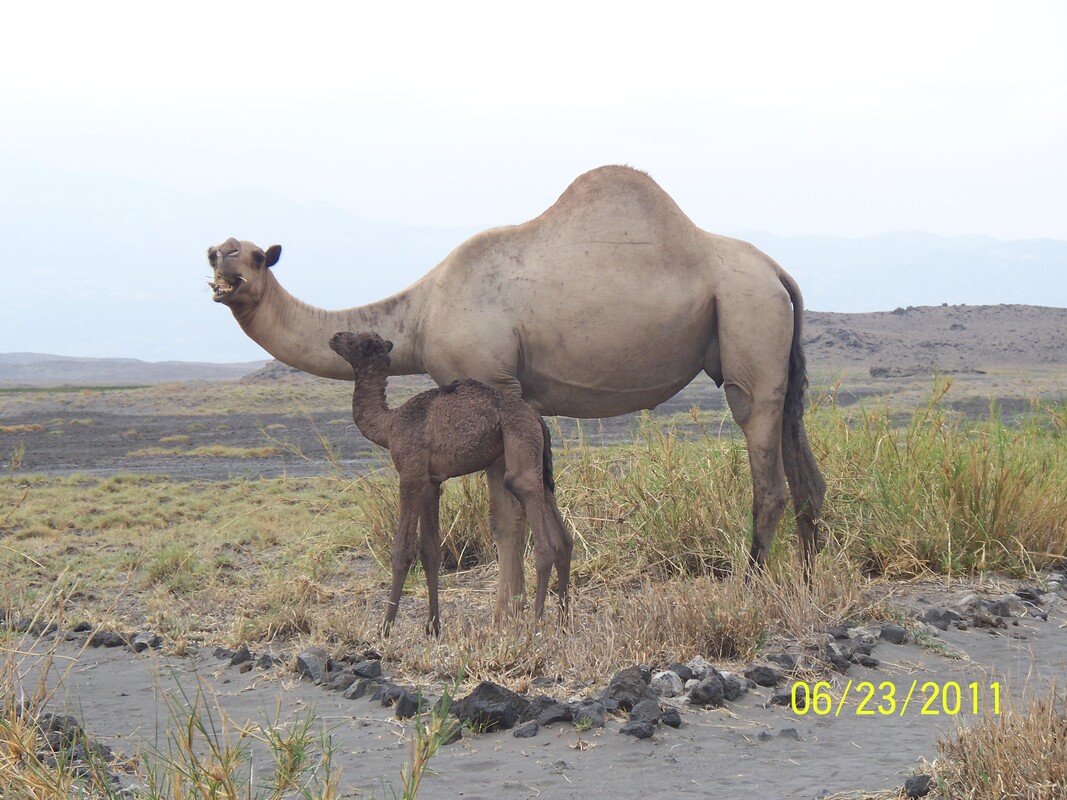
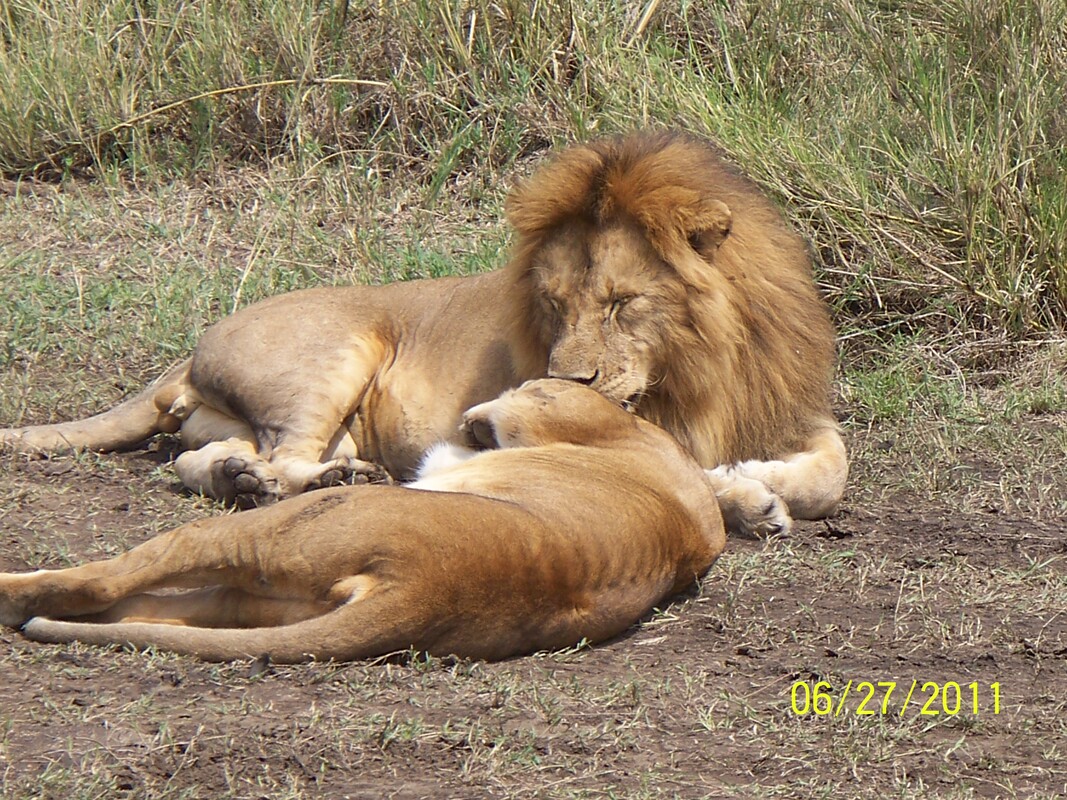
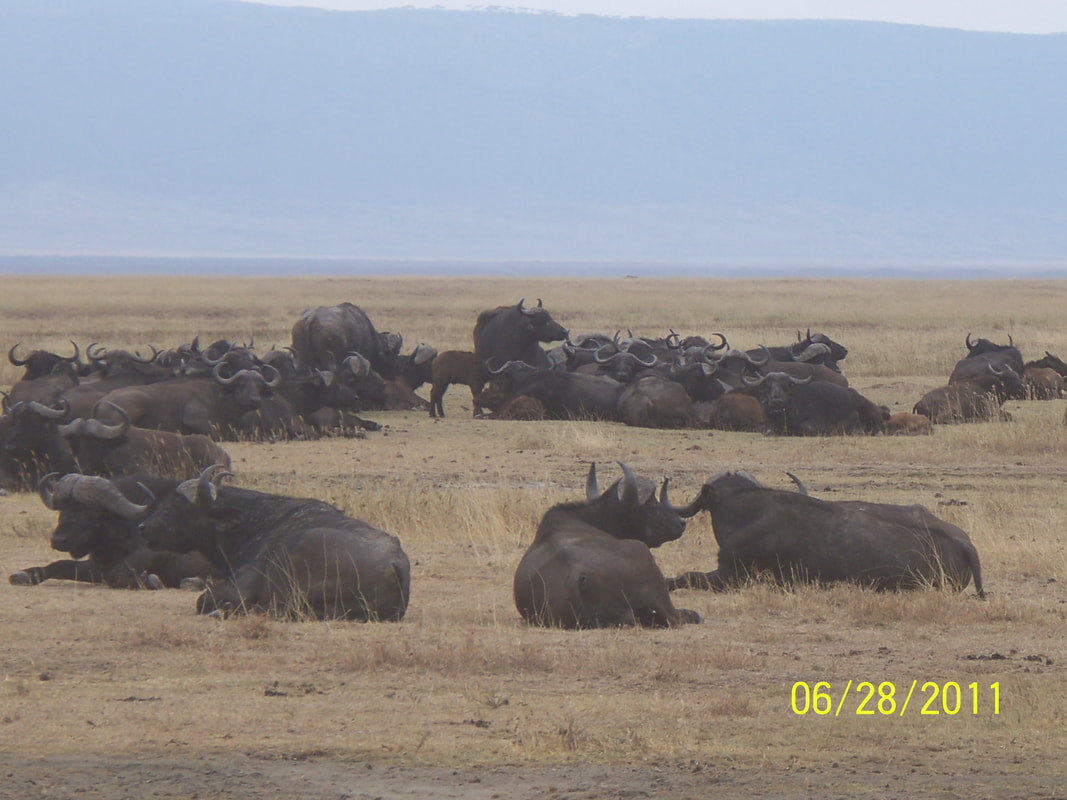
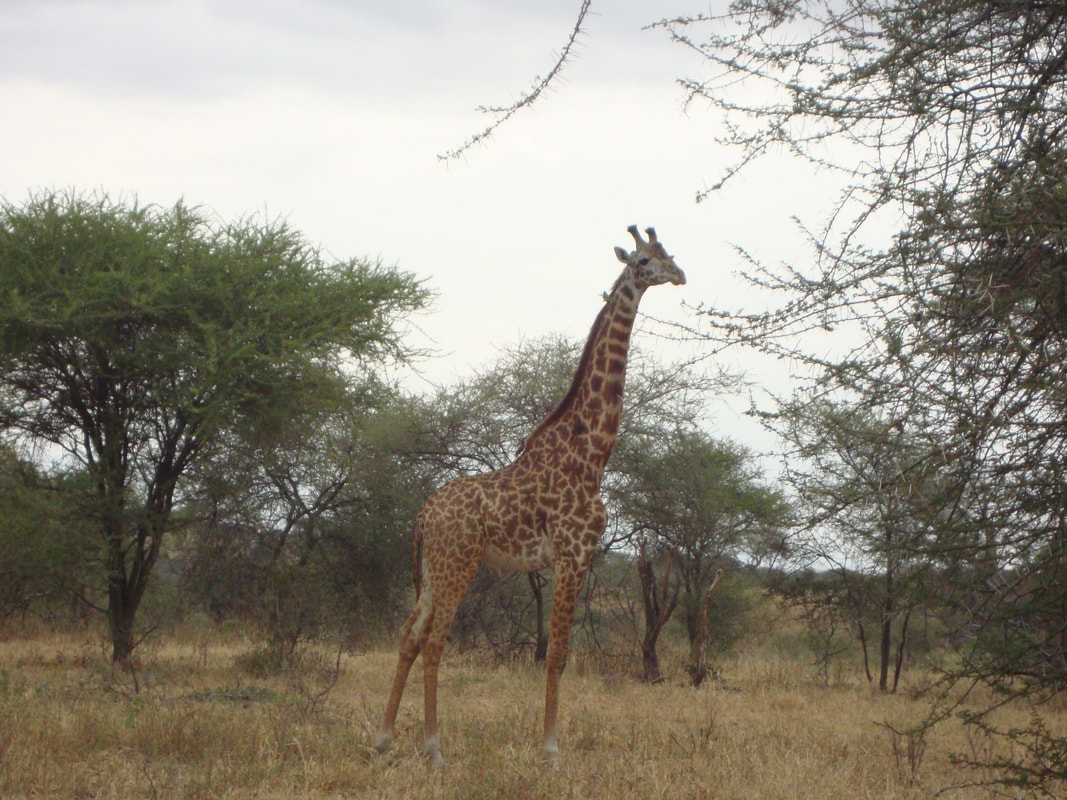
From many places we could choose in Africa, we decided on Tanzania. It was a blast. We visited three National Parks: Tarangire, Ngorongoro, and Serengeti. We paid for a private trip, and only my wife and I explored the wildlife in a small safari truck. Our driver and guide was Ema.
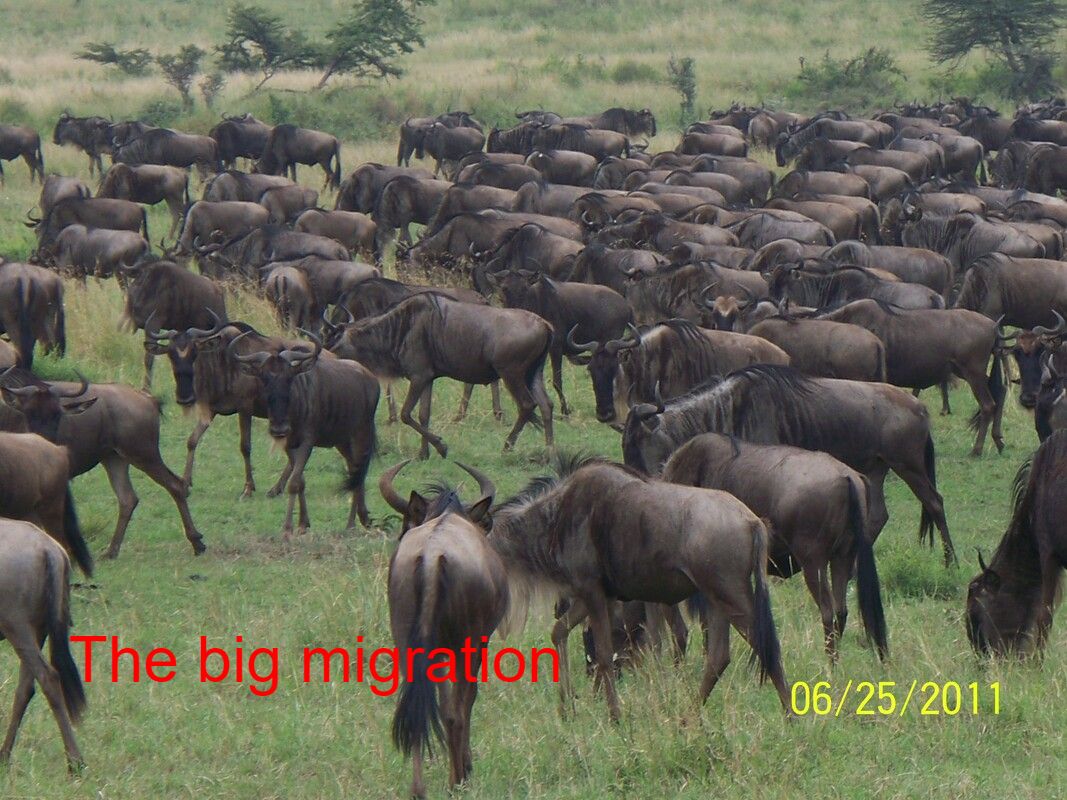
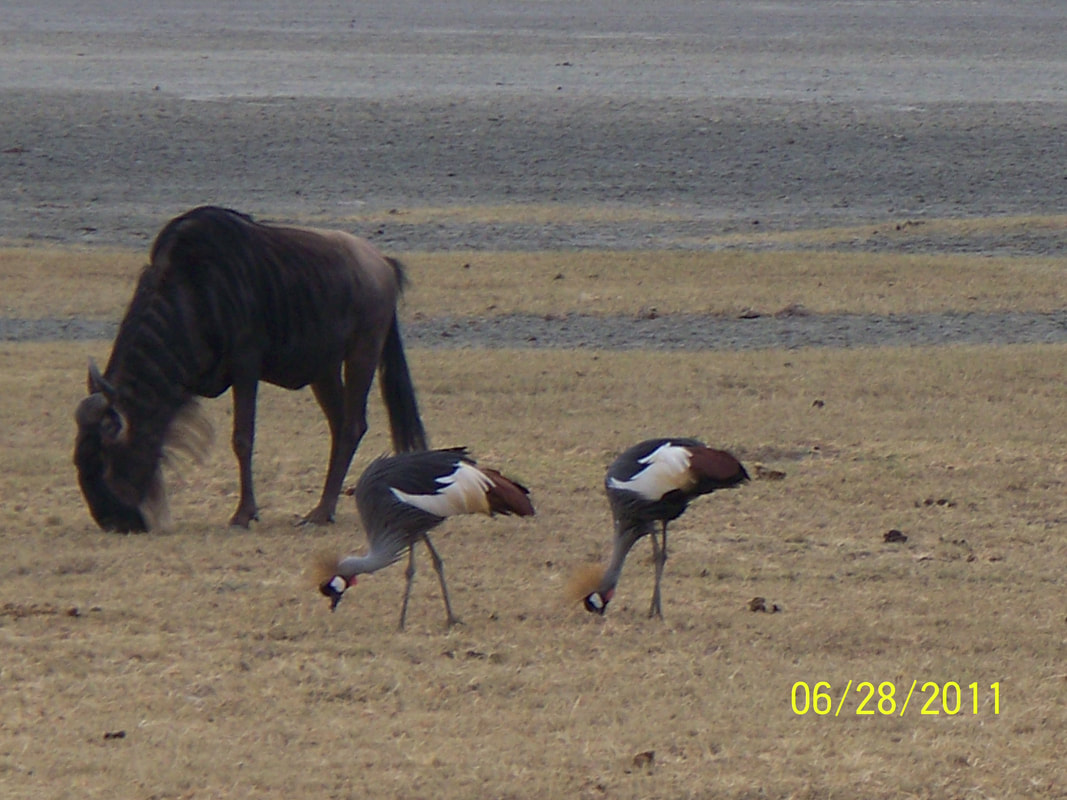
In Serengeti, we landed in the middle of the big 800 km migration from Tanzania to Masai Mara in Kenya of wild beasts, zebras, and gazelles. There are around two million of them.
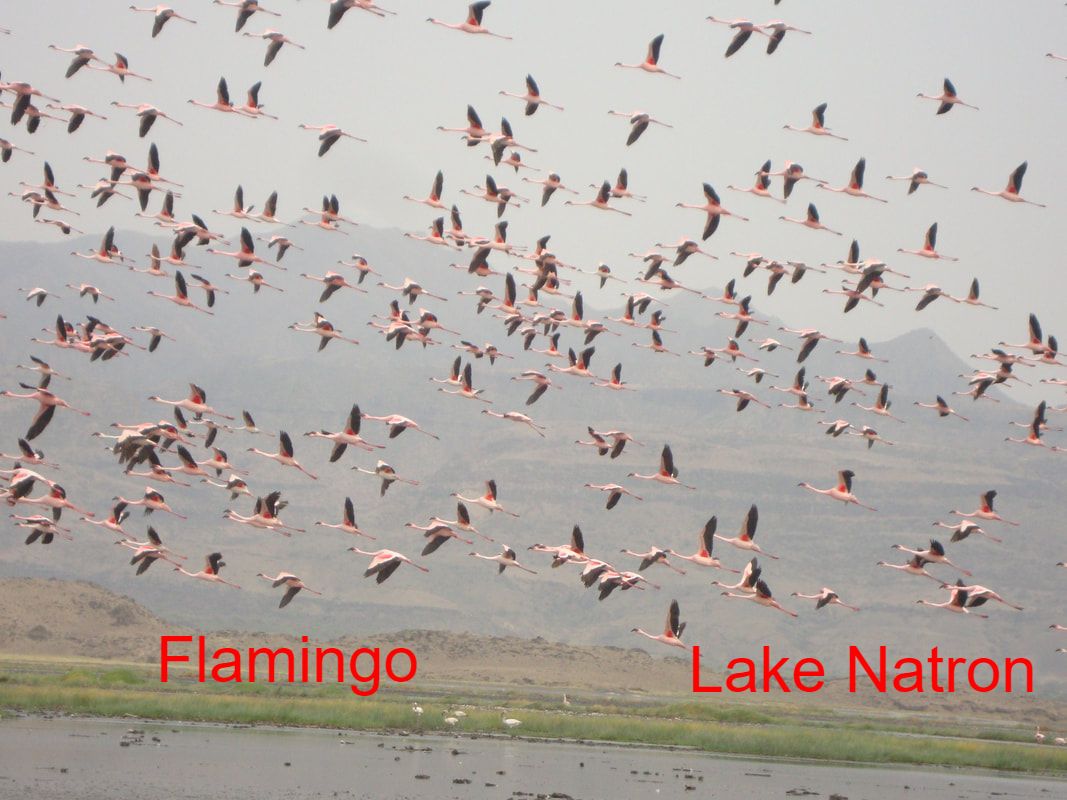
The biggest crowd of flamingos in the world is at Lake Natron. The river feeding the lake has no way out. The balance is kept by the amount of water that evaporates. Unfortunately, if plastic or other garbage comes from the river, there is no way to take it out.
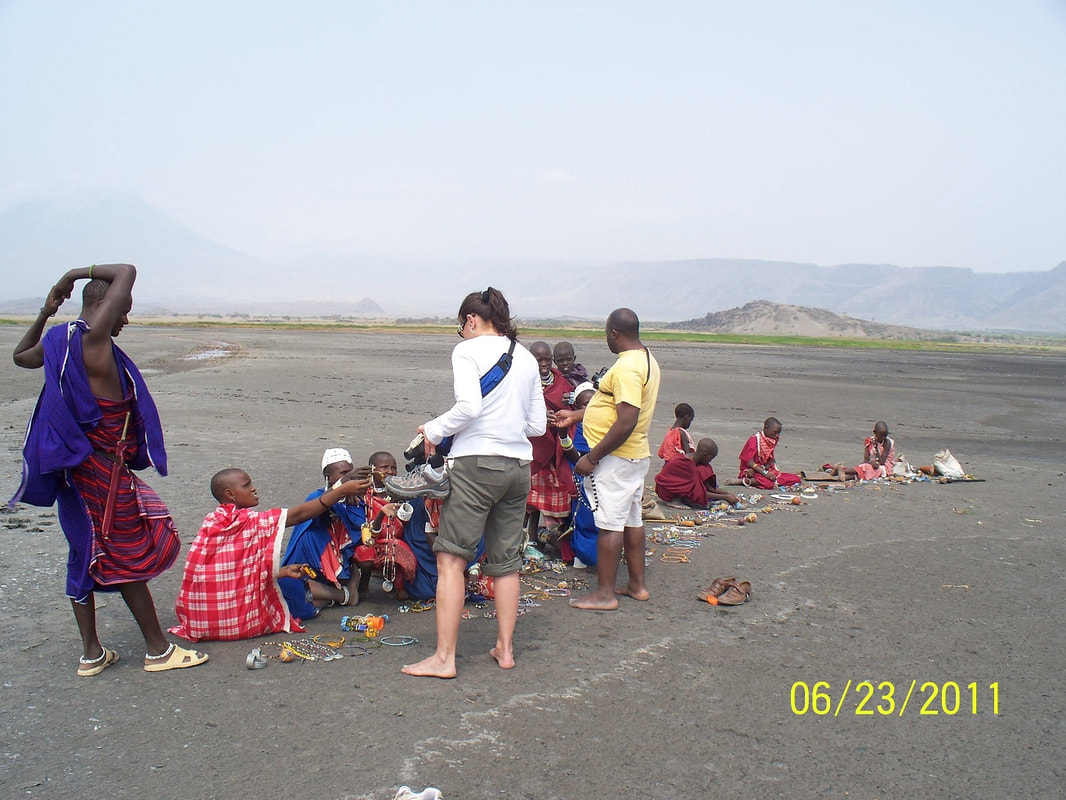
A group of locals saw us and came by, forming a market only for the two of us.

We slept in different places, some resorts, or tents for tourists. The one I liked the most was a baobab. It was a platform where one wall was the tree, and the other walls were mosquito nets.
We were impressed by bush people, living under the sky. We hired a translator (Mohamad) who spoke their language and English. Those families who accept visitors have clothes on them, probably received from tourists.
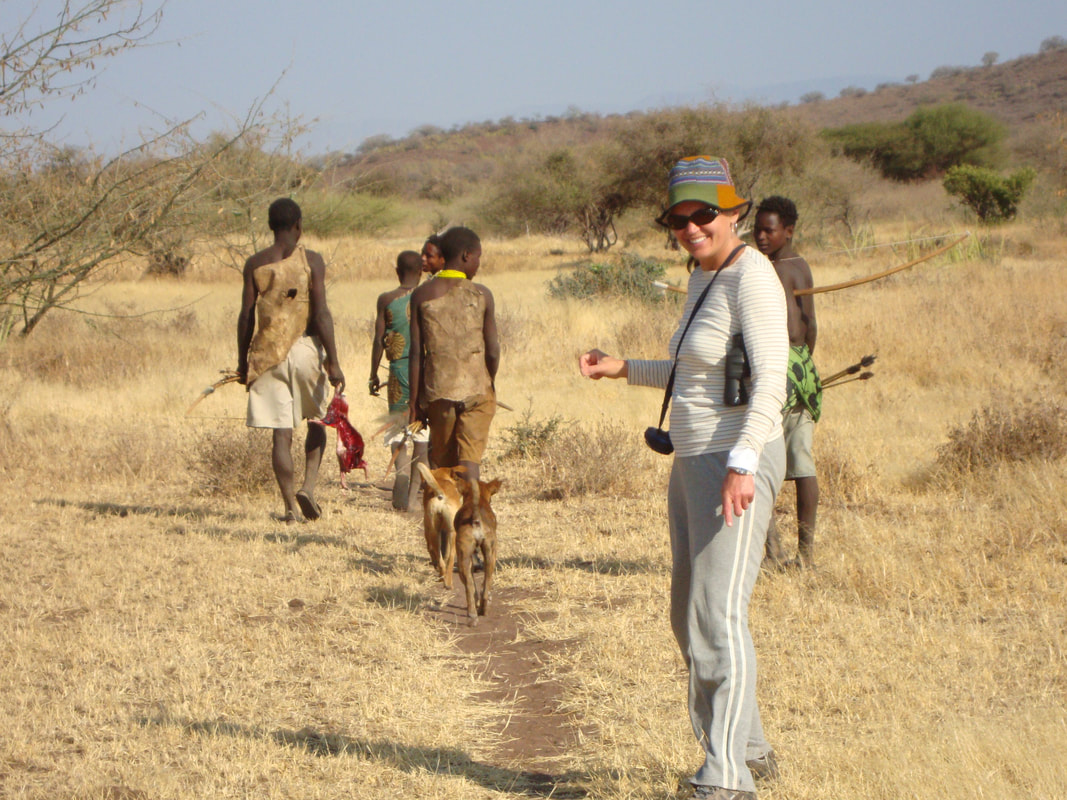
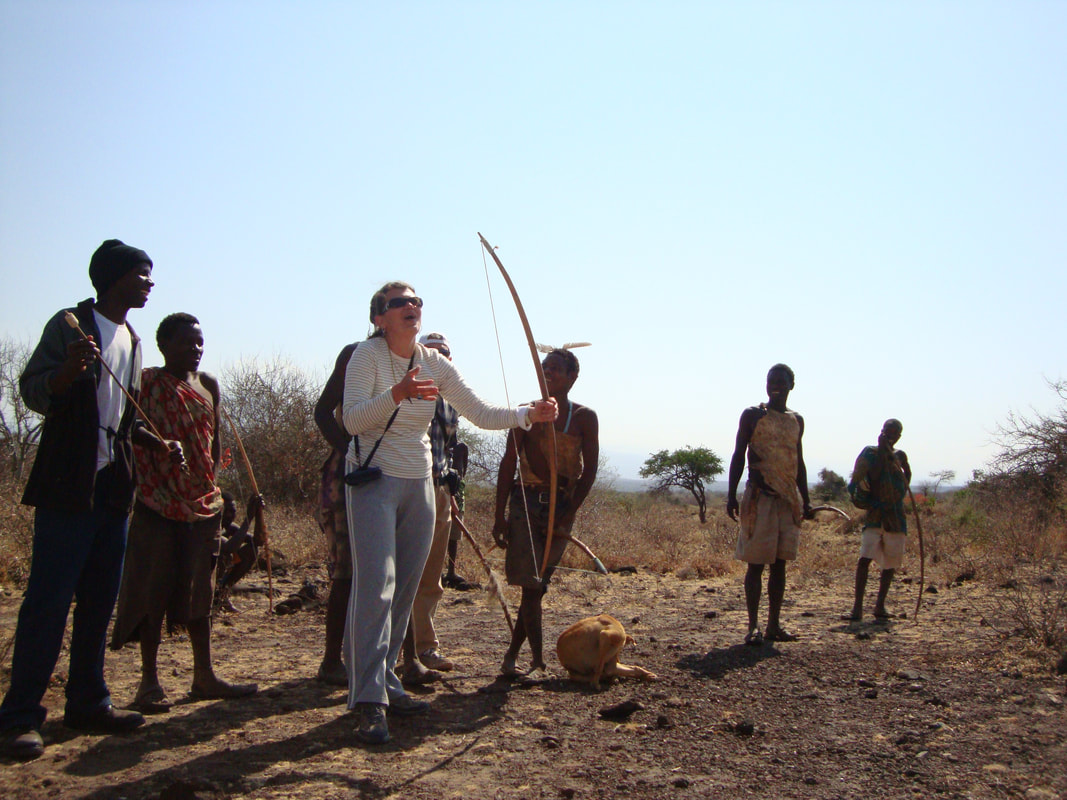
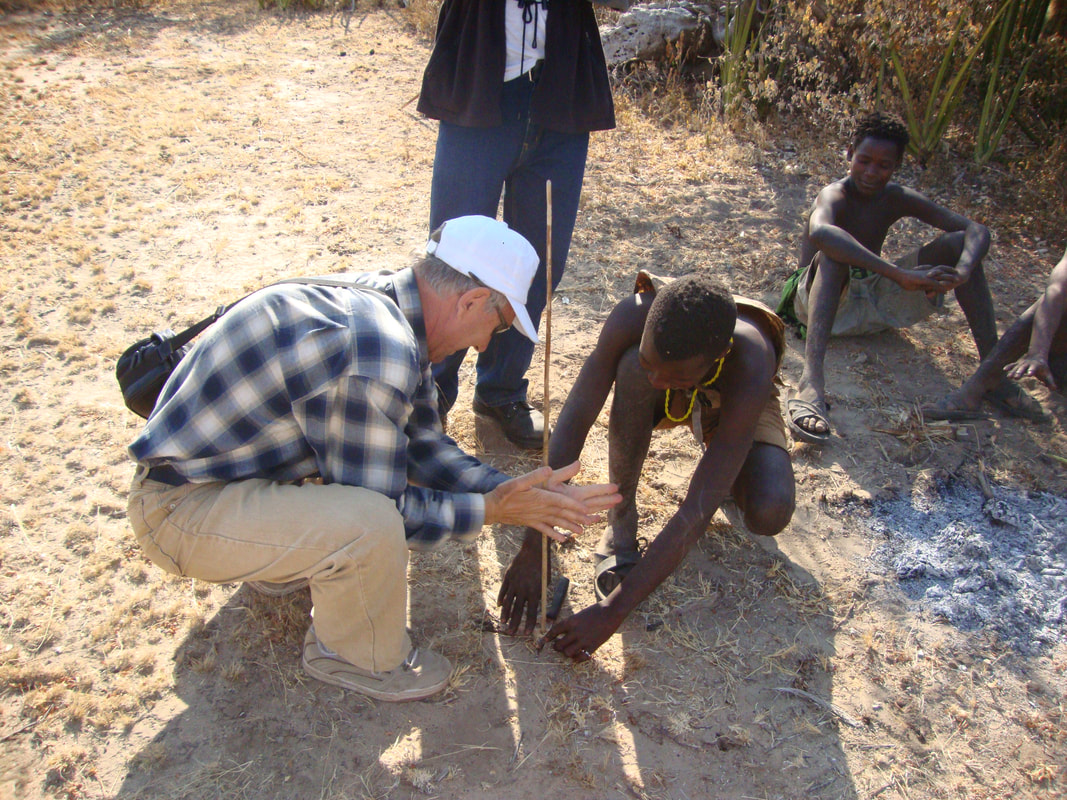
We went hunting with them, but I guess the deer they hunted was prepared in advance for our visit. They showed me how to start a fire with dry weeds and friction of two pieces of wood.
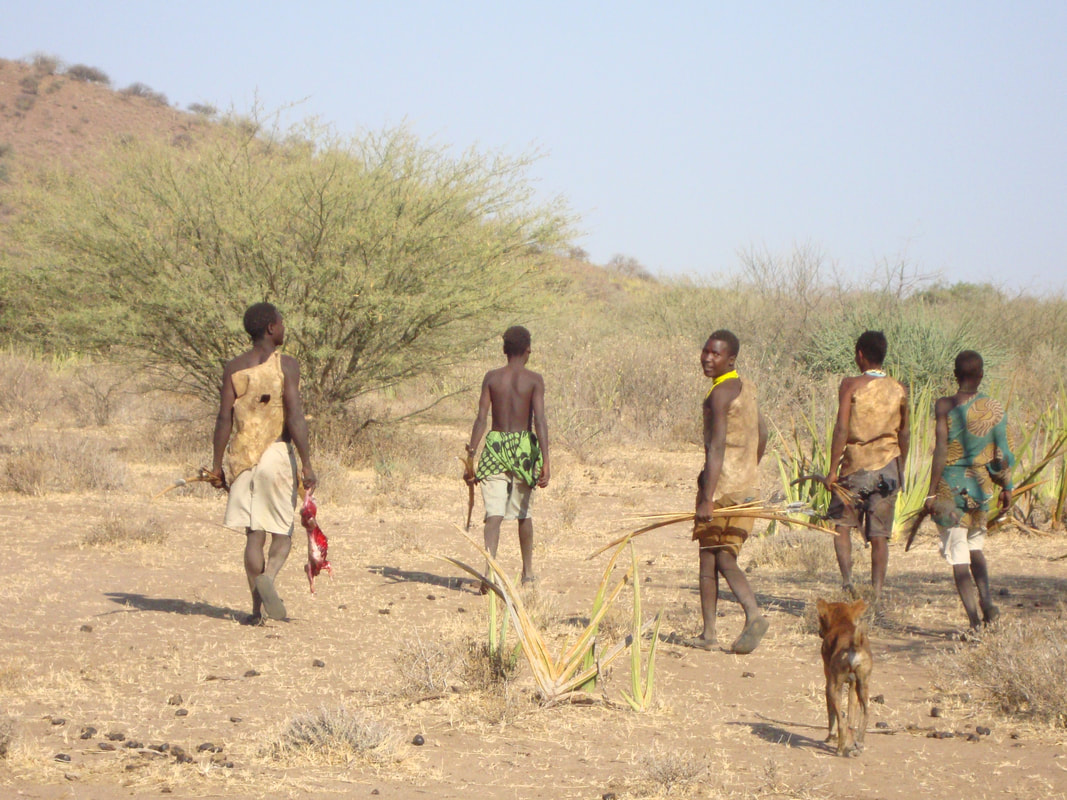
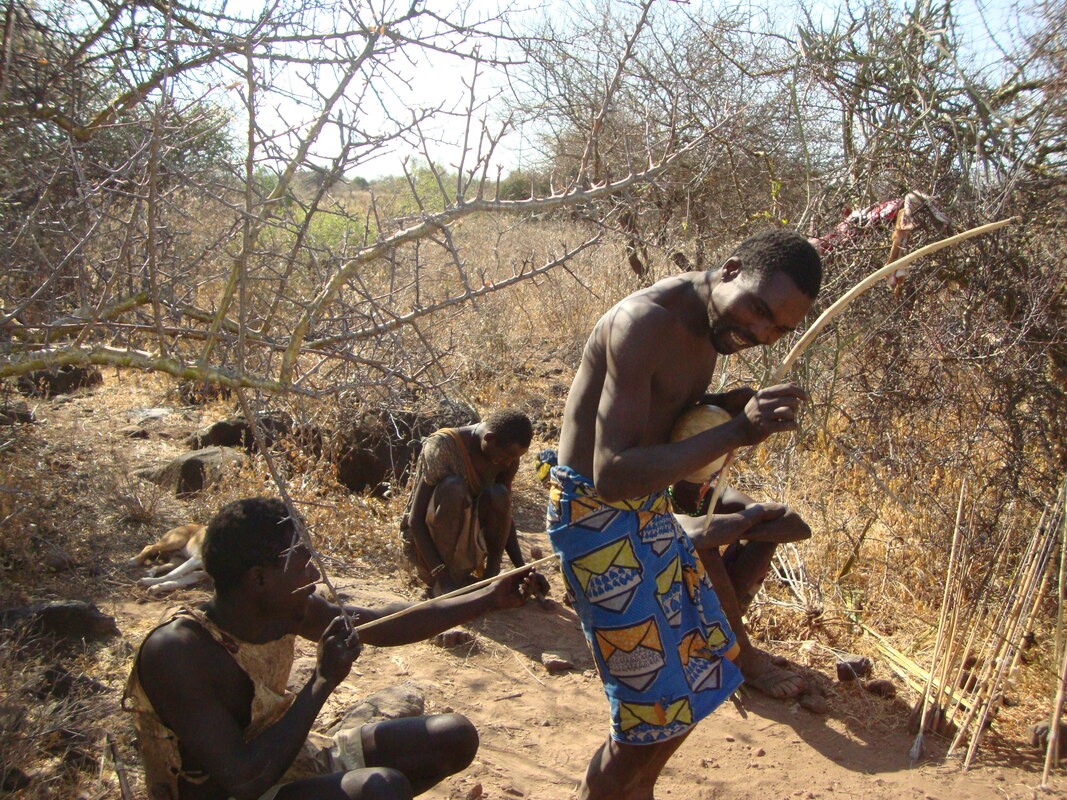


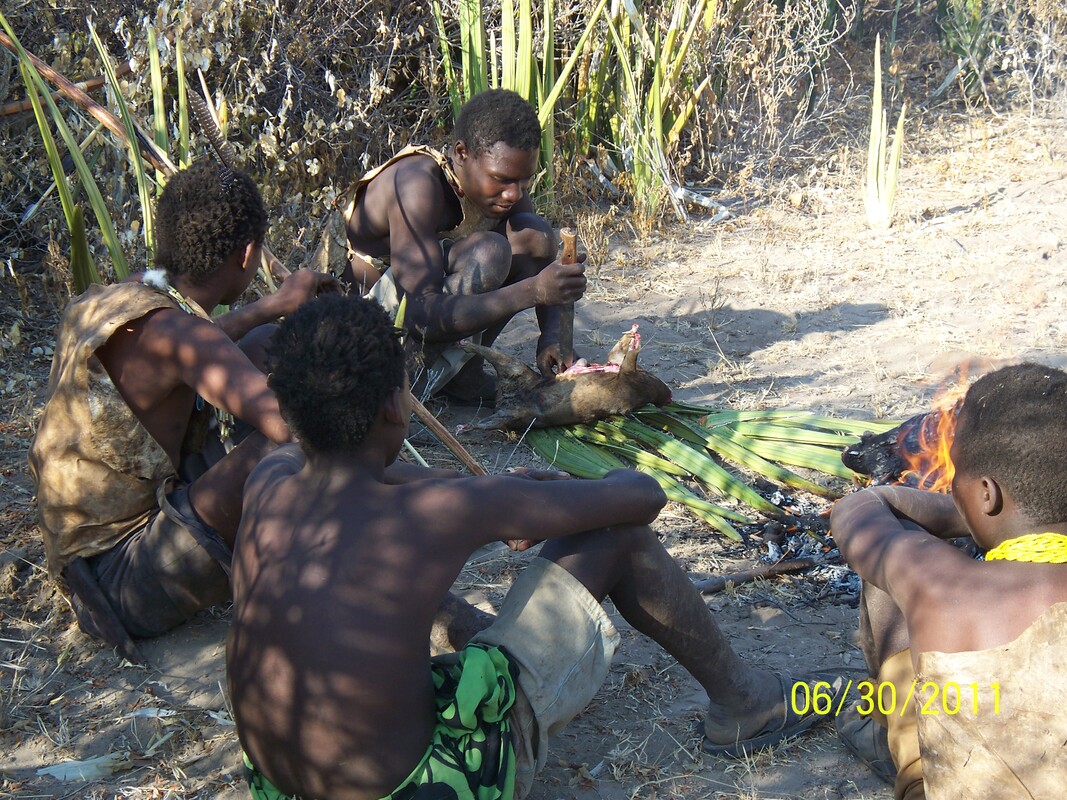
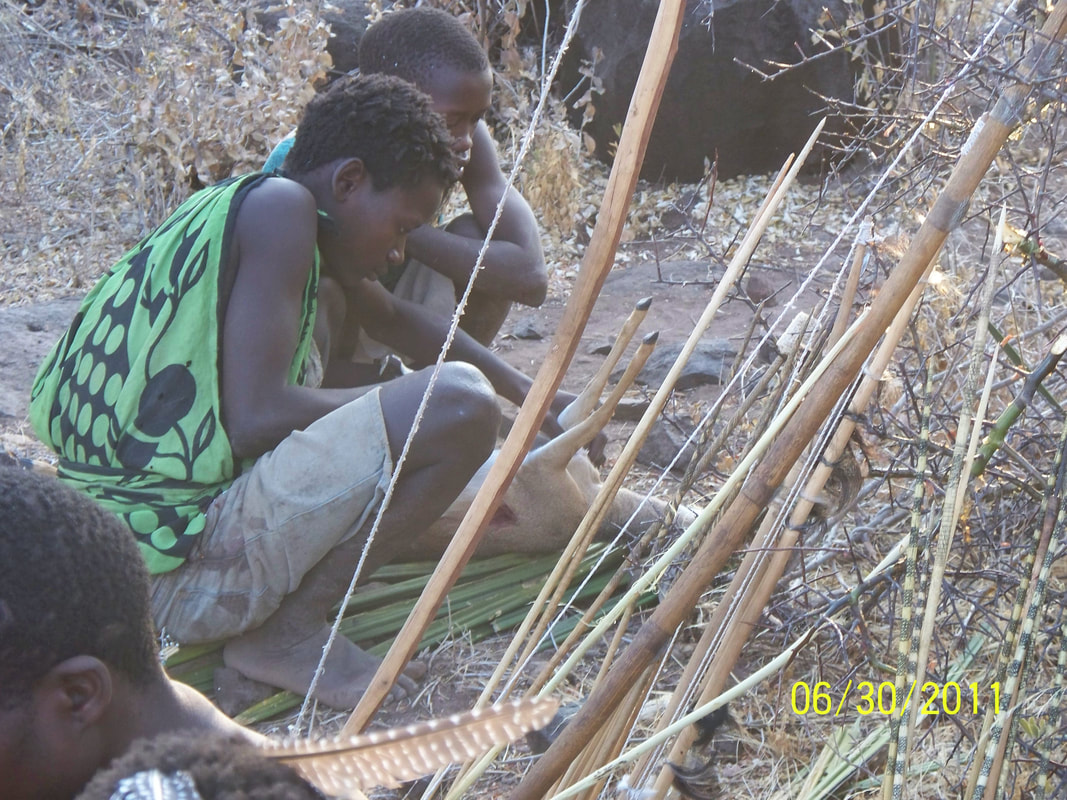
When they cooked the deer, they offered me to suck its eyes, considered a delicacy. I politely refused. I was impressed that they kept the best part for the women and kids.
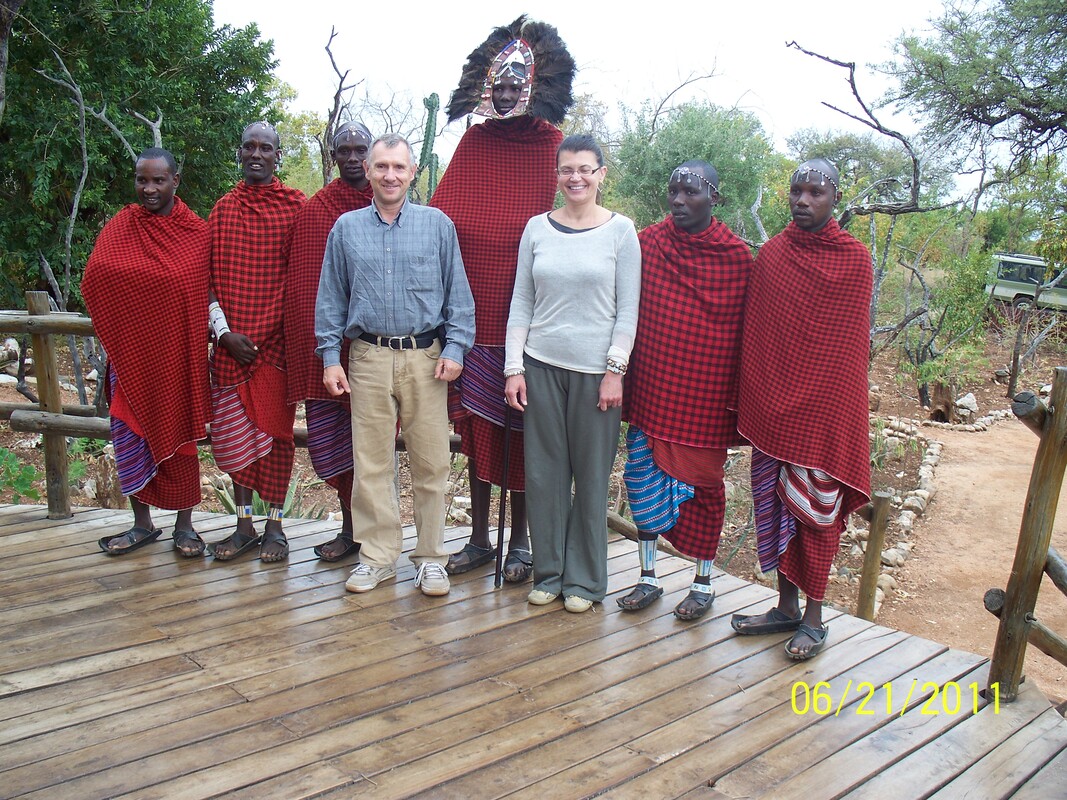
The next tribe to visit were the Maasai
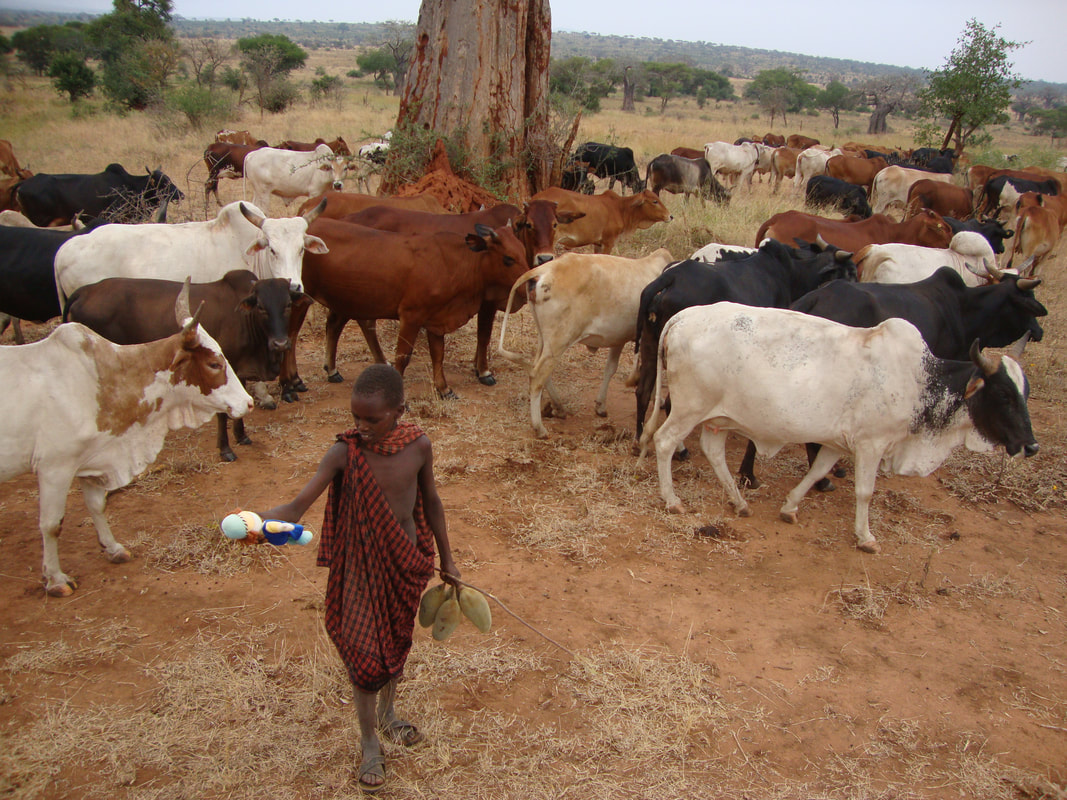

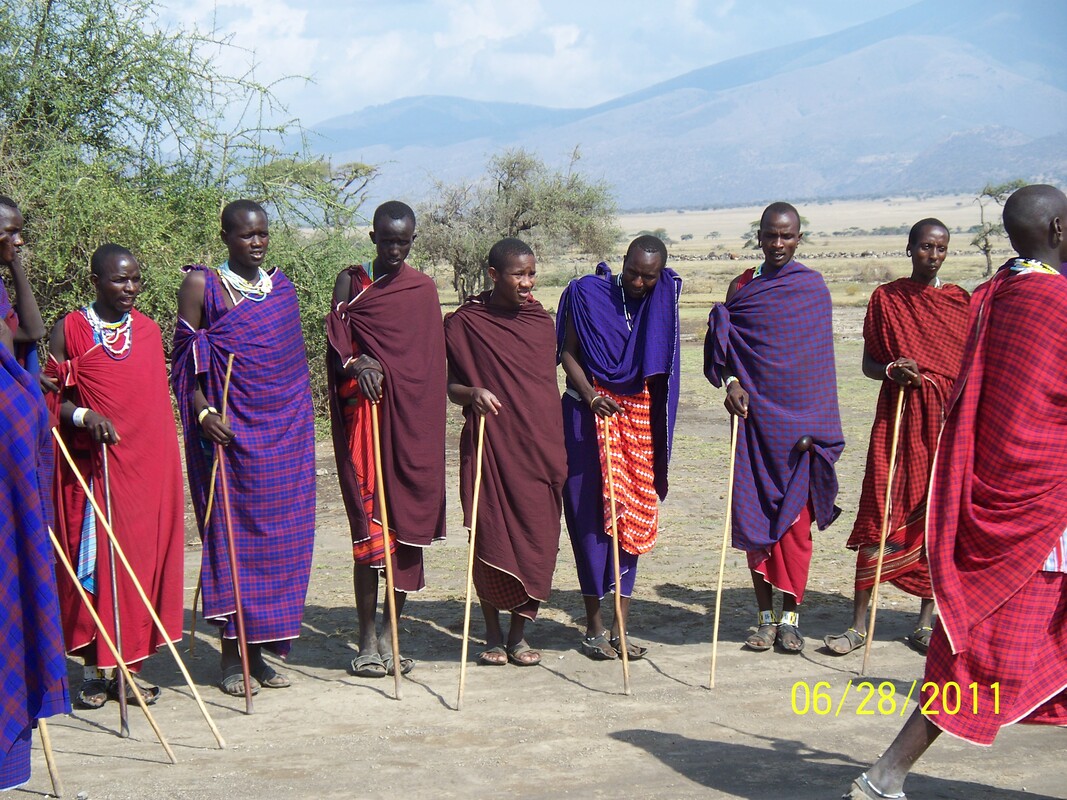
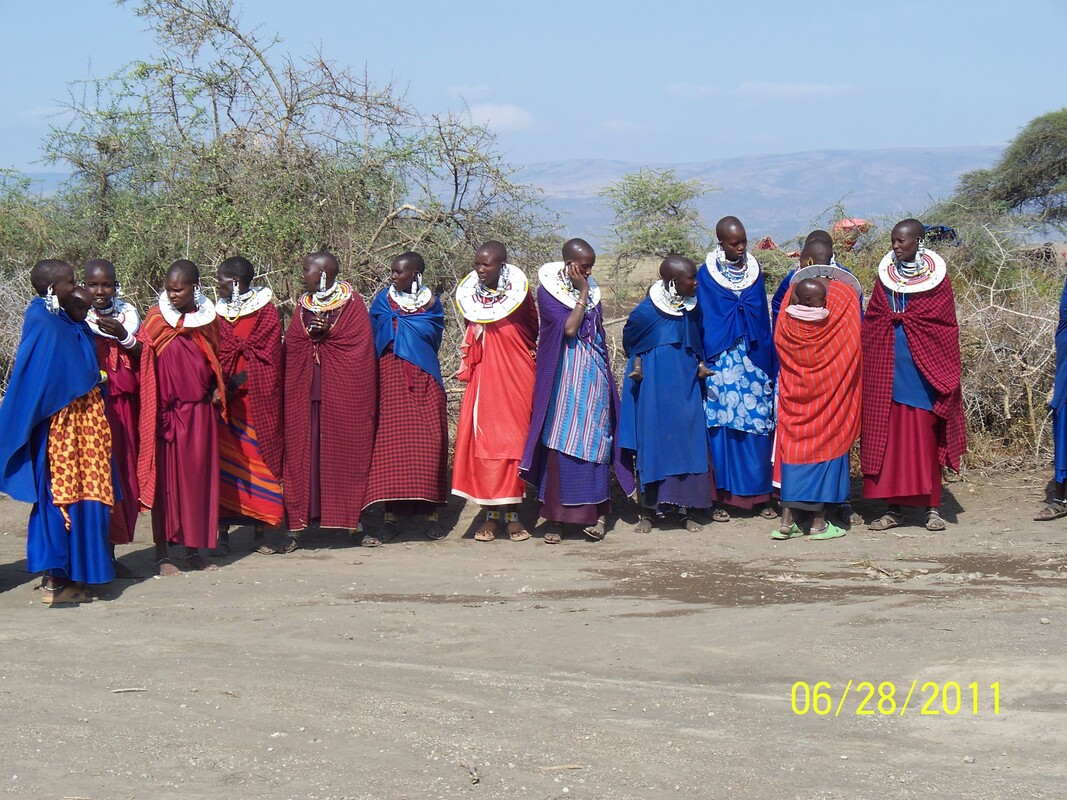

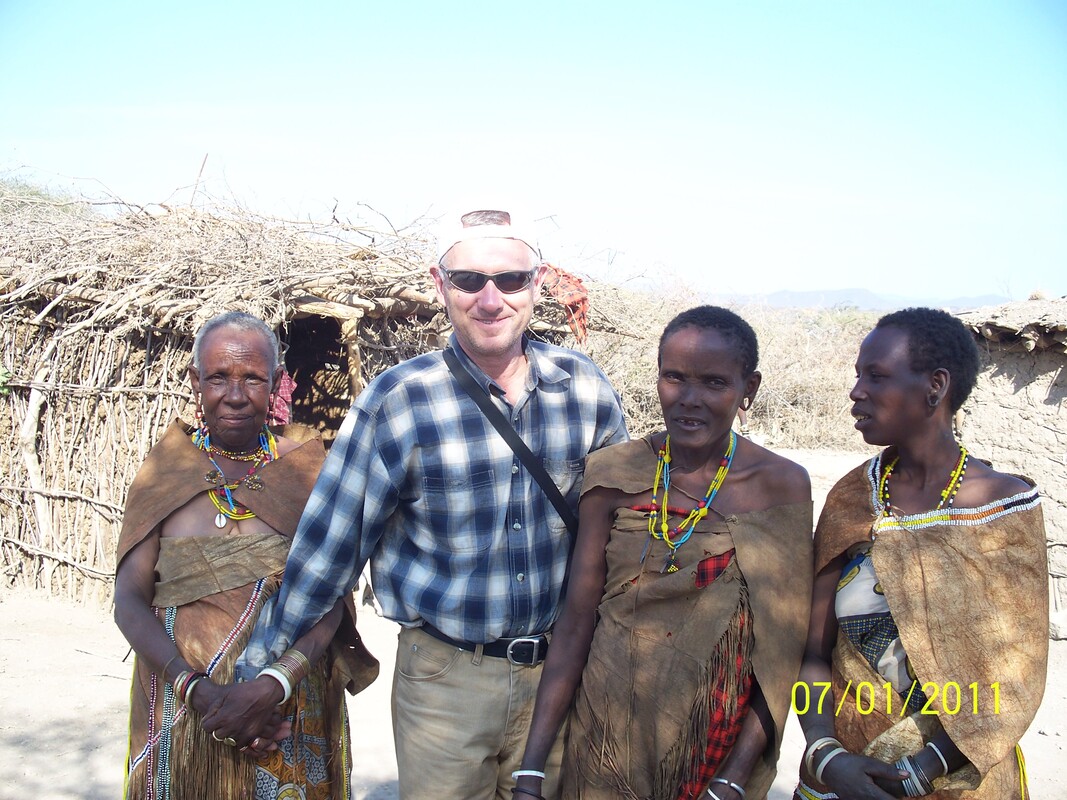
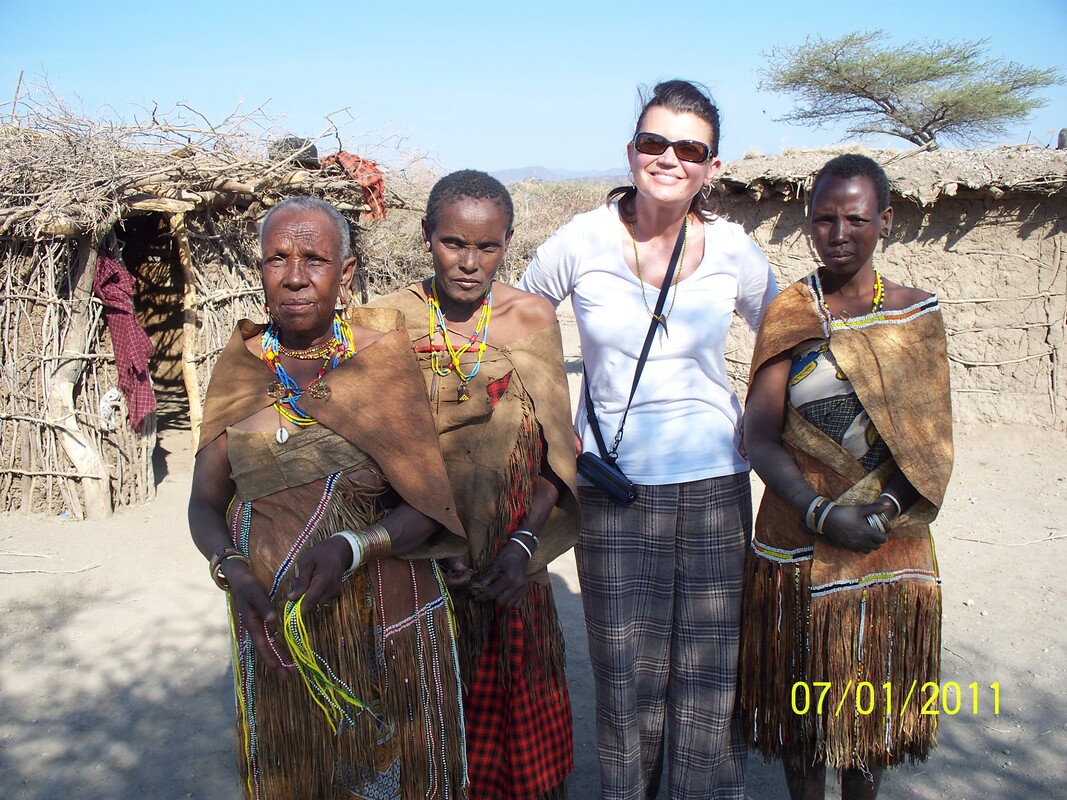
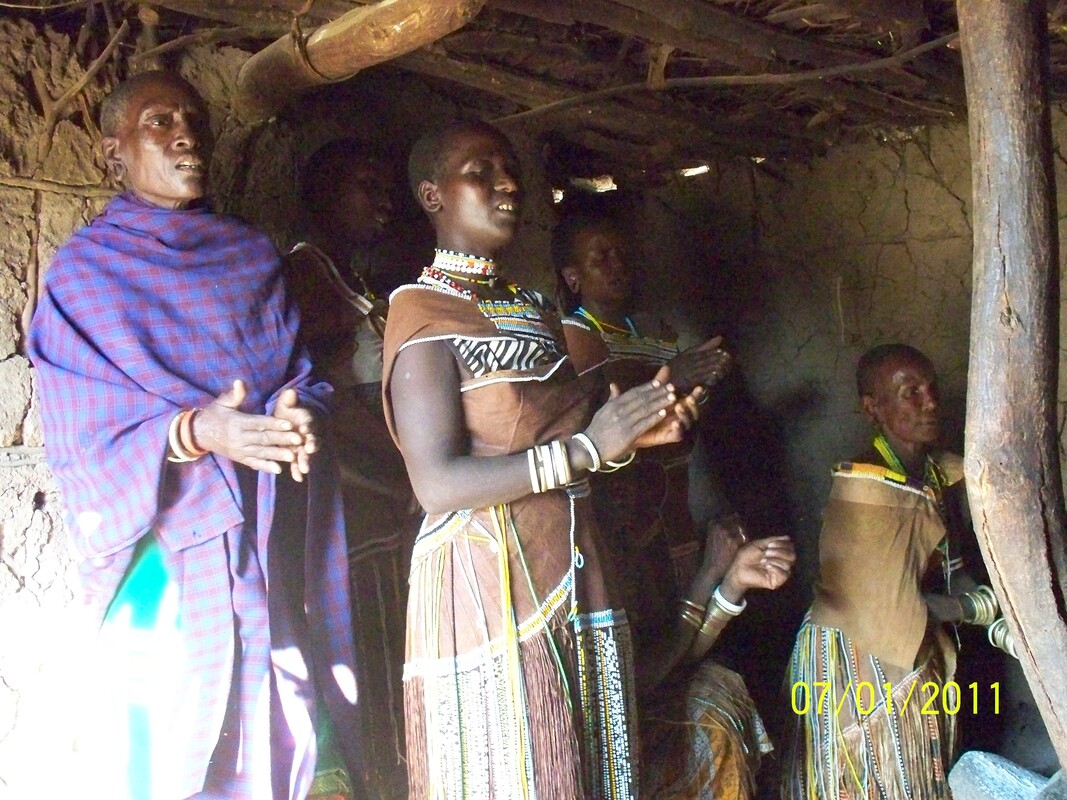
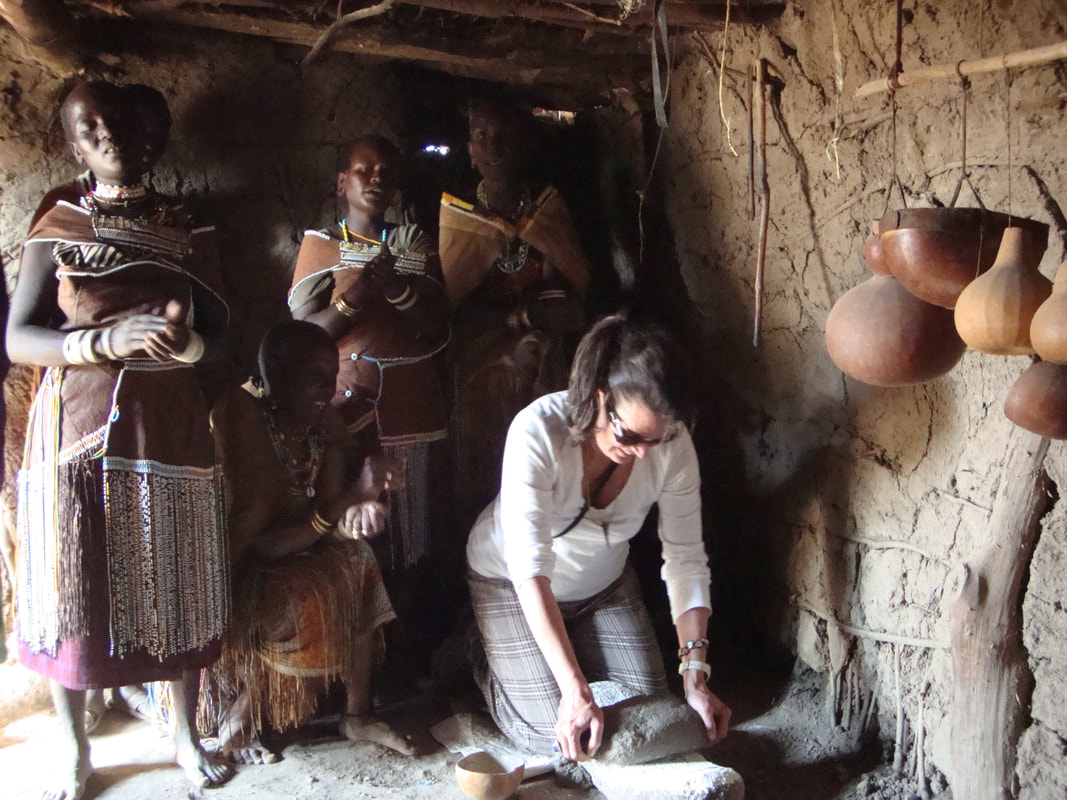
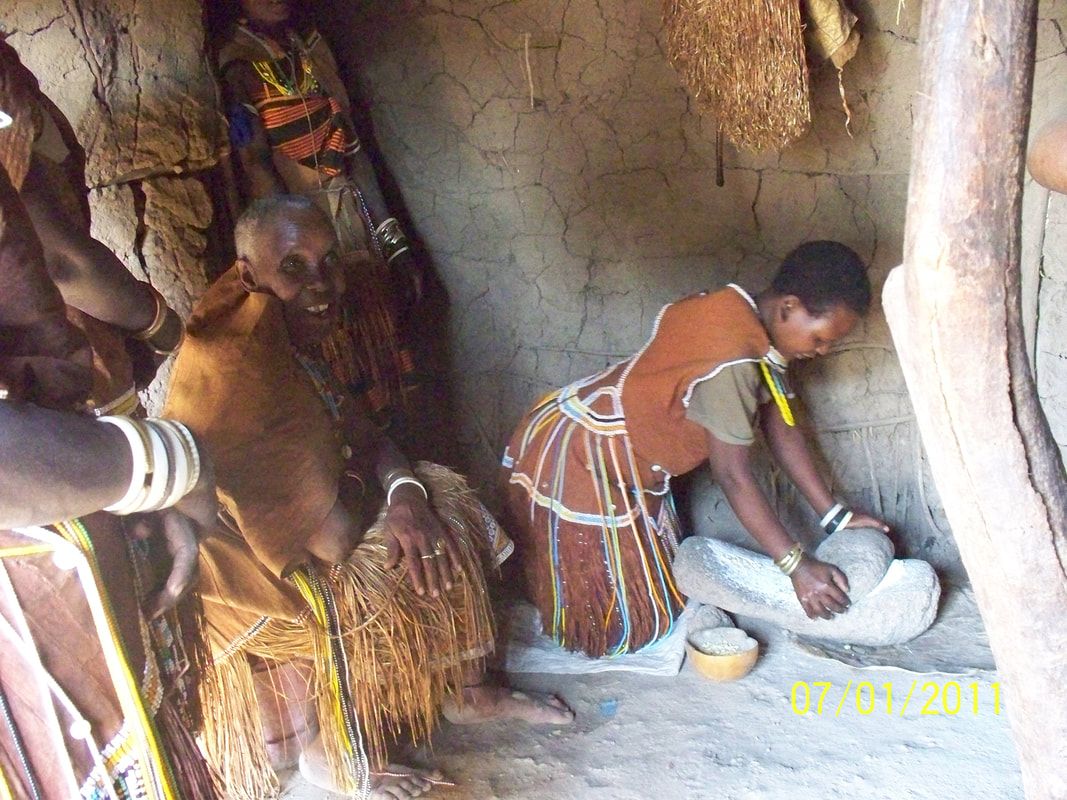
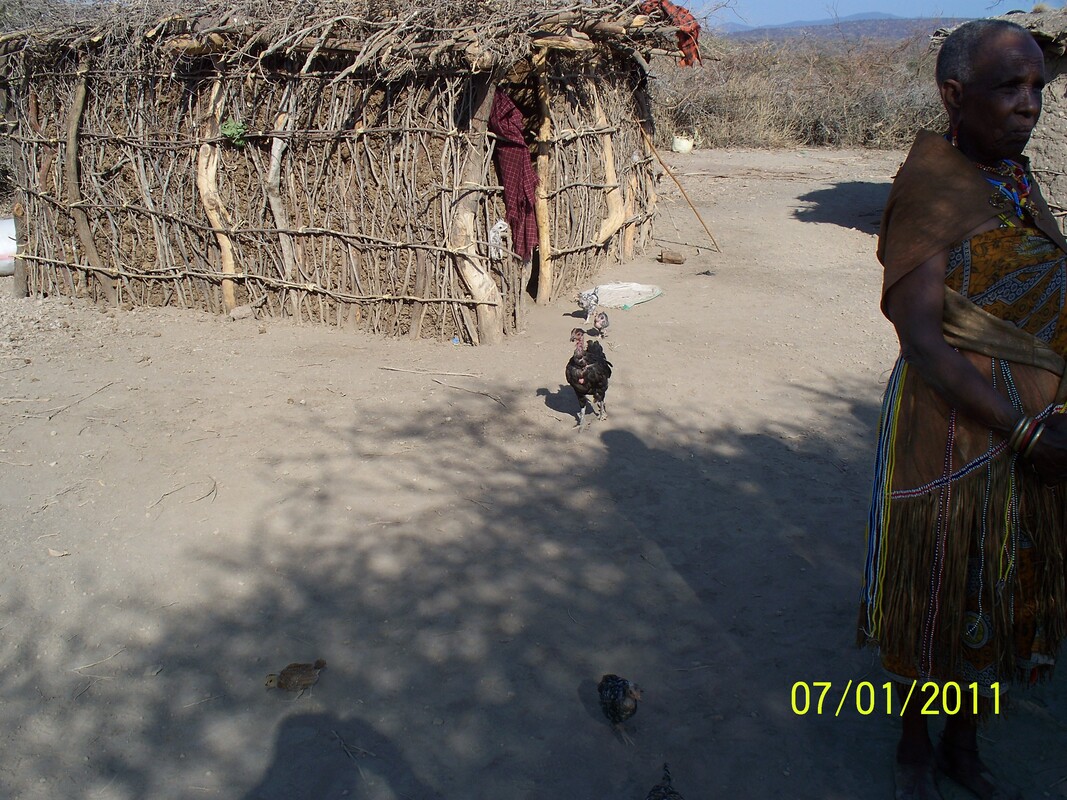
When we visited Datoga tribe, the lead woman asked me how many cows did I pay for my wife. BTW, a man can have as many wives as he can buy, with cows. So, they are happy when they have daughters, because that means money, I mean, sell them for cows, so they can buy more women.



Eliade Moldovan
|
In THESE LIVES, daily Cold War existence under the despotic dictatorship of Nicolae Ceaușescu, is vividly documented. Drawn against a chaotic background of hardships, horrors, and hilarity, story after story depicts every imaginable aspect of that era: from cold, brutal murders and betrayal, to the abiding love between a husband and wife.
|



|
